
Guidance for Your
Recovery Journey.
Understanding Your Recovery
Common questions about the healing process, and the structured approach Continuum provides.
In short: yes, bruising is a common and expected part of many aesthetic treatments.
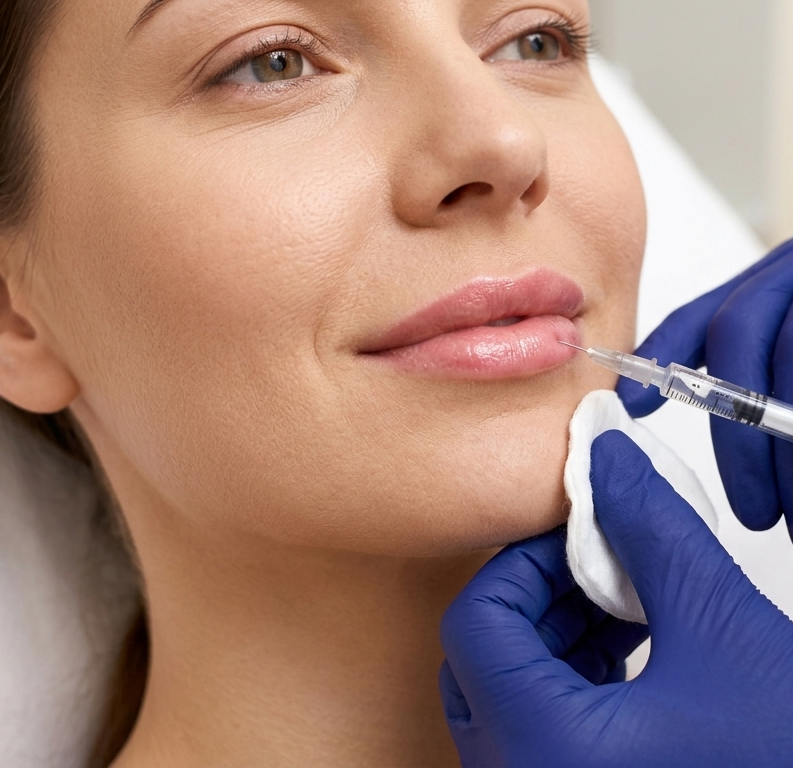
The face contains an extensive network of blood vessels and capillaries. In fact, thousands of small blood vessels lie just beneath the surface of the skin, supplying oxygen and nutrients to facial tissues.
During treatments such as dermal fillers, skin boosters, polynucleotides and other injectable procedures, these vessels can occasionally be disrupted, resulting in bruising, swelling and tenderness.
Bruising is not always an indication that something has gone wrong. It is often a normal part of the body’s natural healing response and can occur even when treatment is performed perfectly.
The real challenge often isn't the physical discomfort—it’s the interruption to everyday life. Visible bruising can affect confidence, social plans and important events, leaving people feeling self-conscious.
Recovery doesn’t always happen at a convenient time, whether it's a big meeting, a wedding, a first date, or a family event. We believe you shouldn't have to put your life on hold just because your skin is healing.
Continuum was developed to support you through the recovery phase with a structured, clinical approach:
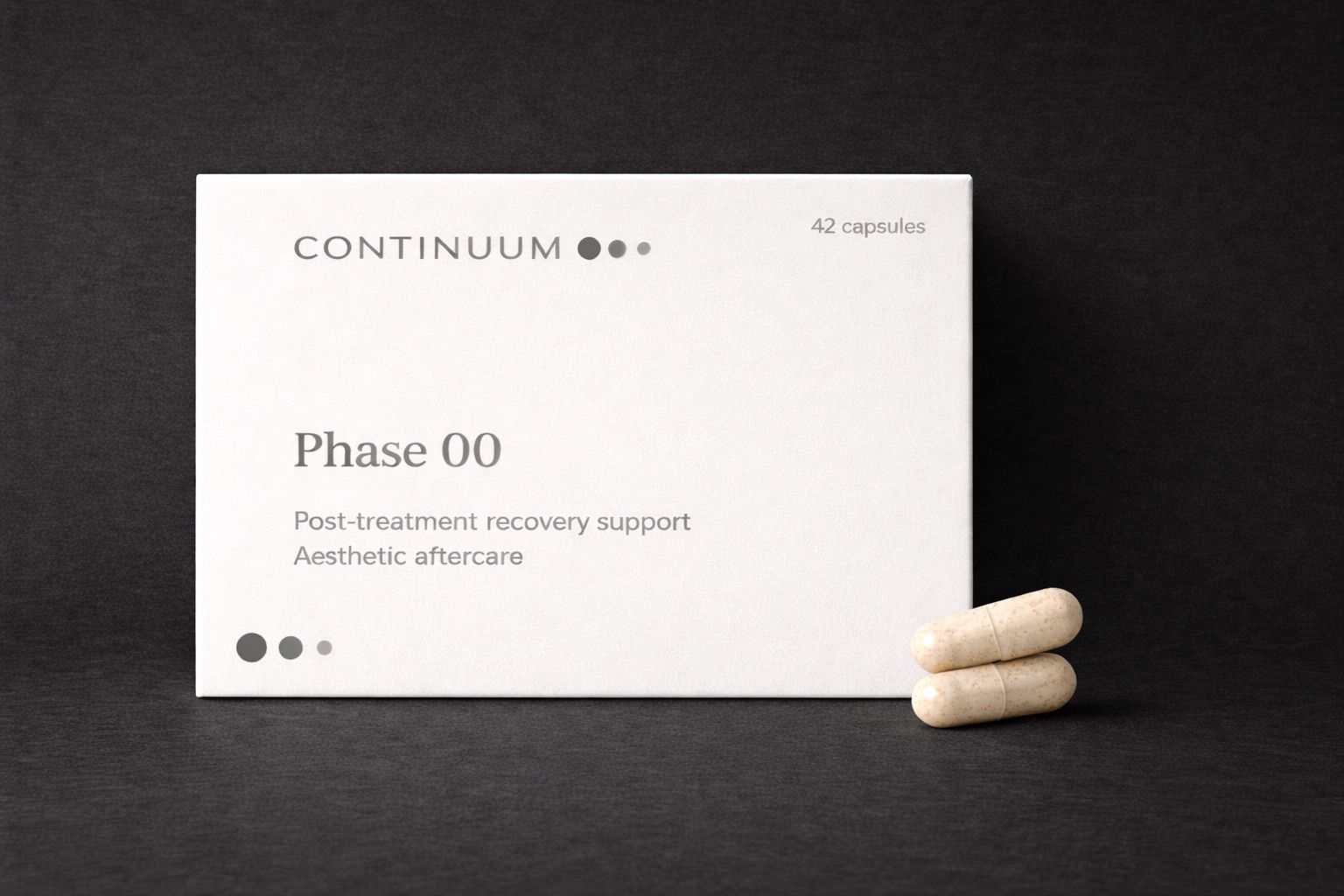
Phase 00
Internal Support: A clinically informed supplement protocol designed to complement the treatment recovery window.
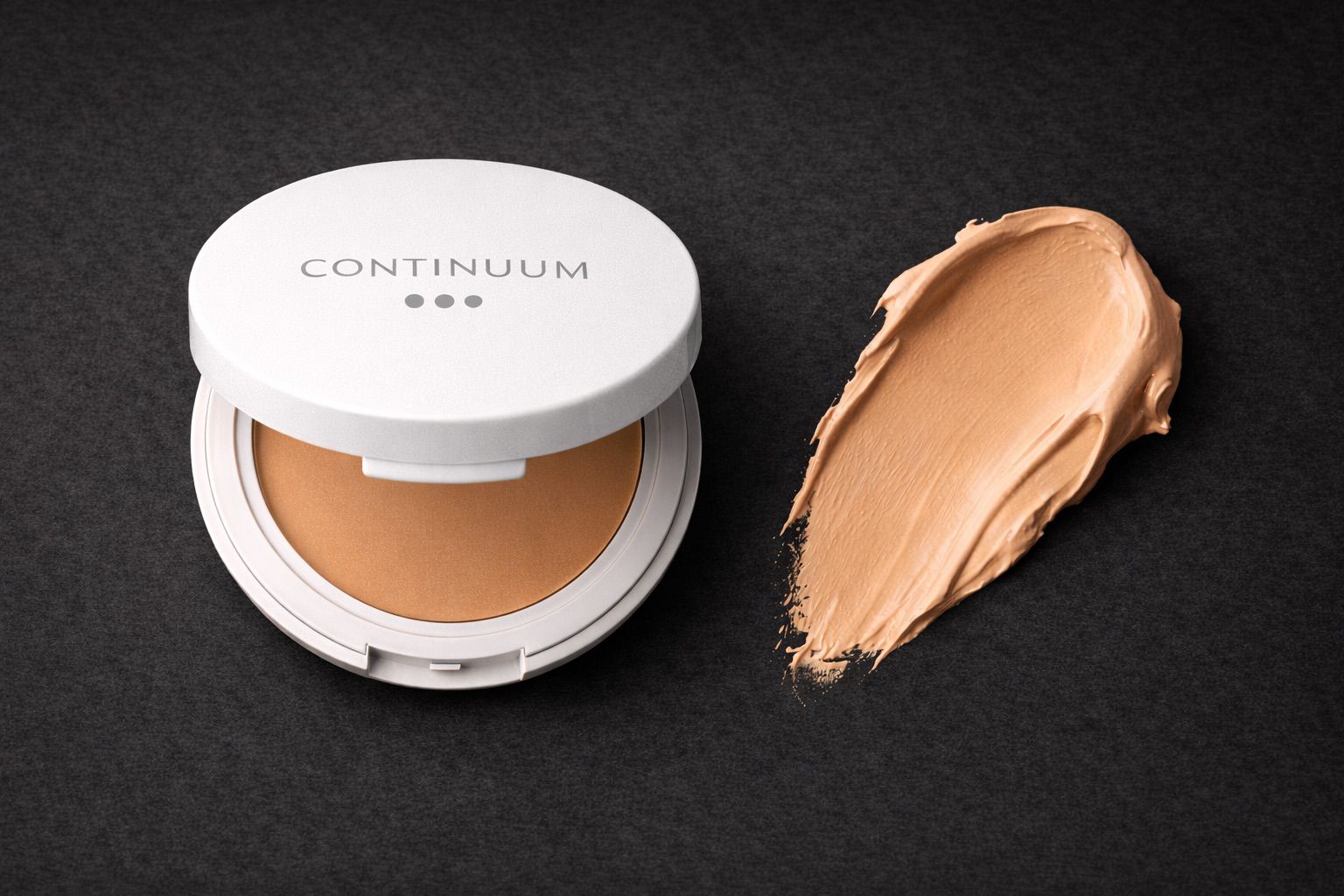
Phase 01
Visible Support: High-coverage concealer designed to reduce the visibility of bruising, redness and uneven skin tone.
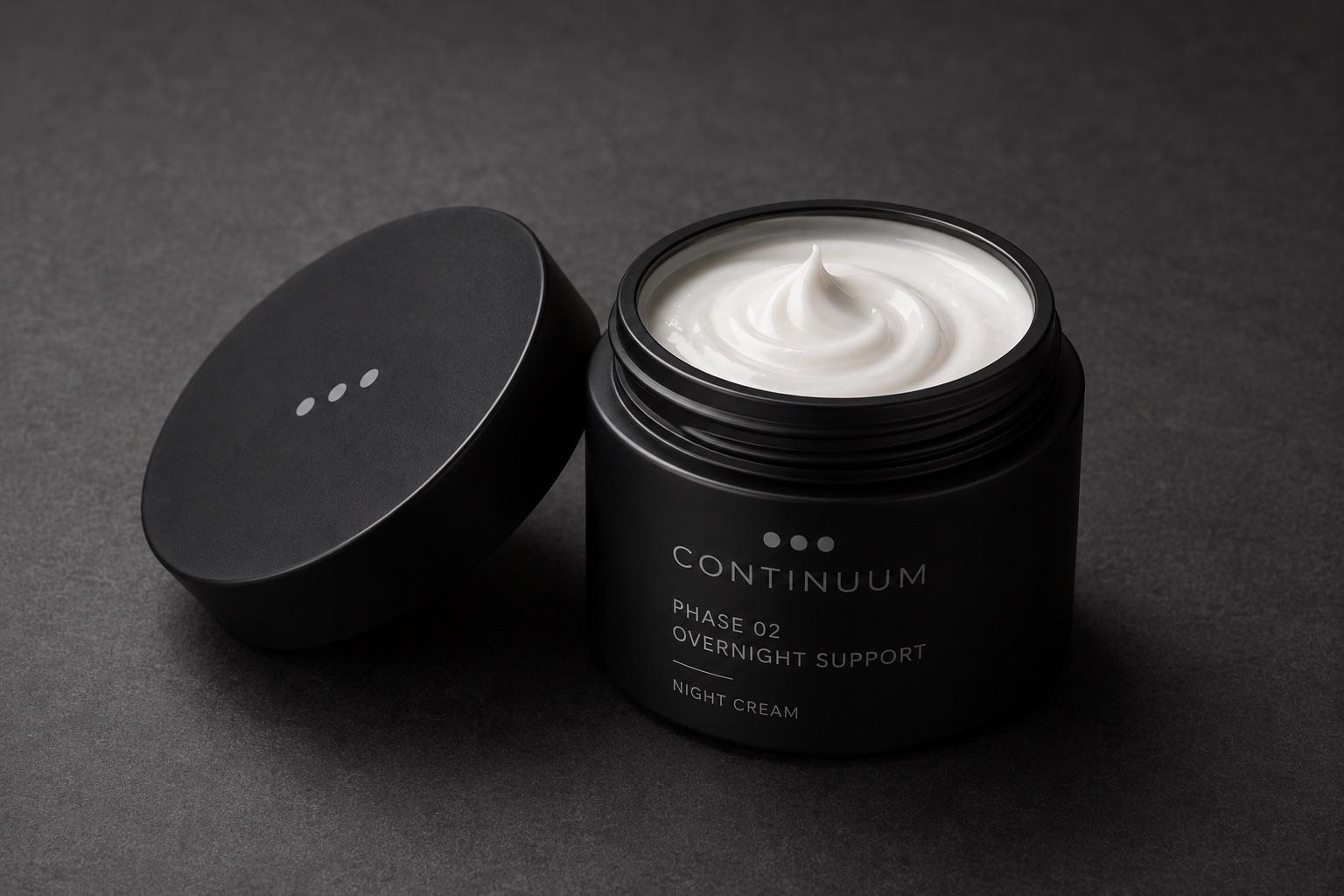
Phase 02
Overnight Support: An overnight recovery cream designed to support hydration and skin comfort during recovery.